Protein isn’t just for bodybuilders—it's a critical part of endurance performance. This article breaks down how much protein runners, cyclists, and triathletes really need, when to take it, and how a strategic liquid nutrition plan can help you hit your goals without overcomplicating your fueling.
Whether you're training for an ultra or grinding through sweaty summer sessions, understanding how you sweat is essential. That’s where personalization comes in. And for athletes with high sodium losses, there's a specific ingredient that can make a big difference without wrecking the flavor of your sports drink: Sodium Citrate.
Transport yourself back to those carefree summer days when you were younger with this jiggly, flavorful treat. Packing in some electrolytes with each slurp to help ward off the warm weather blues.
Tour of America’s Dairyland (TOAD) is a legendary 10 day criterium race series surrounding Milwaukee, Wisconsin. Racers travel from all over the world to compete against the best criterium racers in an effort to take home the pink cow-print leader’s jersey. In a race with conditions as brutal as these and racers going all out for the majority of the race, hydration is a major key to success at the TOAD.
What is the single biggest issue I see with the age groupers I work with? Let me tell you about an e-mail we received. We received a “complaint” from a customer who said he got dehydrated using his custom INFINIT formulation. First, we very rarely get complaints about the product (if ever). It just does not happen that often and it gets our attention fast. Normally it is from the customer doing too much, we see that over and over. They are drinking their product and happily munching on gels and blocks and wonder why they feel like they ate a bag of nails after 5 hours.
“Cross Training,” what is it? The simple definition of cross training is, simply put, training in activities that are different than your primary sport. Physiologically speaking, however..... “Physiological adaptations in response to physical training are highly specific to the nature of the training activity. Furthermore, the more specific the training program is to a given sport or activity, the greater the improvement in performance in that sport or activity.” - J.H. Wilmore, D.L. Costill, W.L. Kenney
In writing November's article on endurance tips, it was hard to narrow down to just a couple of items that would be the most bang for the buck, so to speak. Therefore, I decided to continue last month's theme and expound upon a few more components for great endurance.
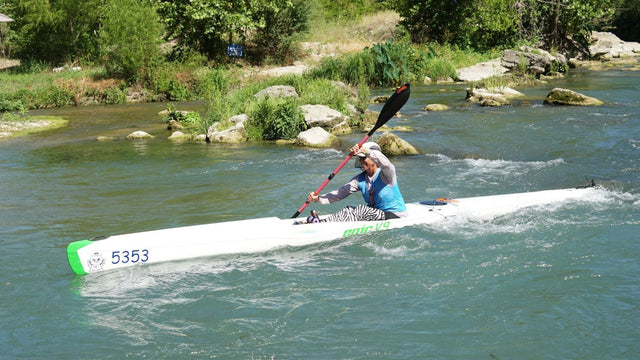
First off I just want to say that my main competition Kelly Magelky turned out to be one of the coolest guys I have ever met! His attitude throughout the race towards my crew and me was really incredible, plus the guy is super strong and he made this hard race even harder.
INFINIT’s exclusive blend of electrolytes is made up of four salts that match your sweat rate. This is primarily sodium, with potassium, calcium and magnesium. Our electrolytes are the most readily absorbable forms and are pharmaceutical grade. Developed by staff nutritionist Kim Brown MS, RD., this blend of these essential salts gives you everything you need for racing or training. Now there is no need to supplement with salt tablets or to juggle pills while running or riding your bike. Unlike most other products, Infinit gives you enough electrolytes to meet your personal goals. Just set the slider bar to suit you and throw the pills away!
Protein’s popularity is at an all-time high. Many athletes have implemented high protein diets as means to shed excess body fat and thereby improve performance. Other athletes have increased protein intake with the thought that the additional protein will help build strength and power. Will protein help aid performance? Some studies suggest that protein does, in fact, help aid performance if utilized correctly. This article will explore the proper quantities of protein and dosing patterns needed to help optimize health and enhance triathlon performance.
New Year’s resolutions have been set and many are embarking on their first marathon training program as a result! In order to maximize performance, it is essential to fuel yourself properly during training runs and racing, especially when runs are prolonged (>90 minutes). As a nutritionist, I have found that many runners tend to overestimate actual run energy expenditure, causing them to overeat during the day and gain unwanted weight during the season. Furthermore, an overzealous calorie intake during training can trigger a multitude of stomach issues (e.g., nausea, diarrhea, vomiting, side stitches, sloshing) and ultimately diminish run performance. Below is a step-by-step guide on how to calculate your calories burned during runs as well as your target calorie replacement needs after about 90 minutes of running. Happy running trails!